Swift Payment Mechanisms Boost Rankings in Online Slot Competitions
Written by Ellis Baumann · Sep 14, 2026
Swift Payment Mechanisms Boost Rankings in Online Slot Competitions
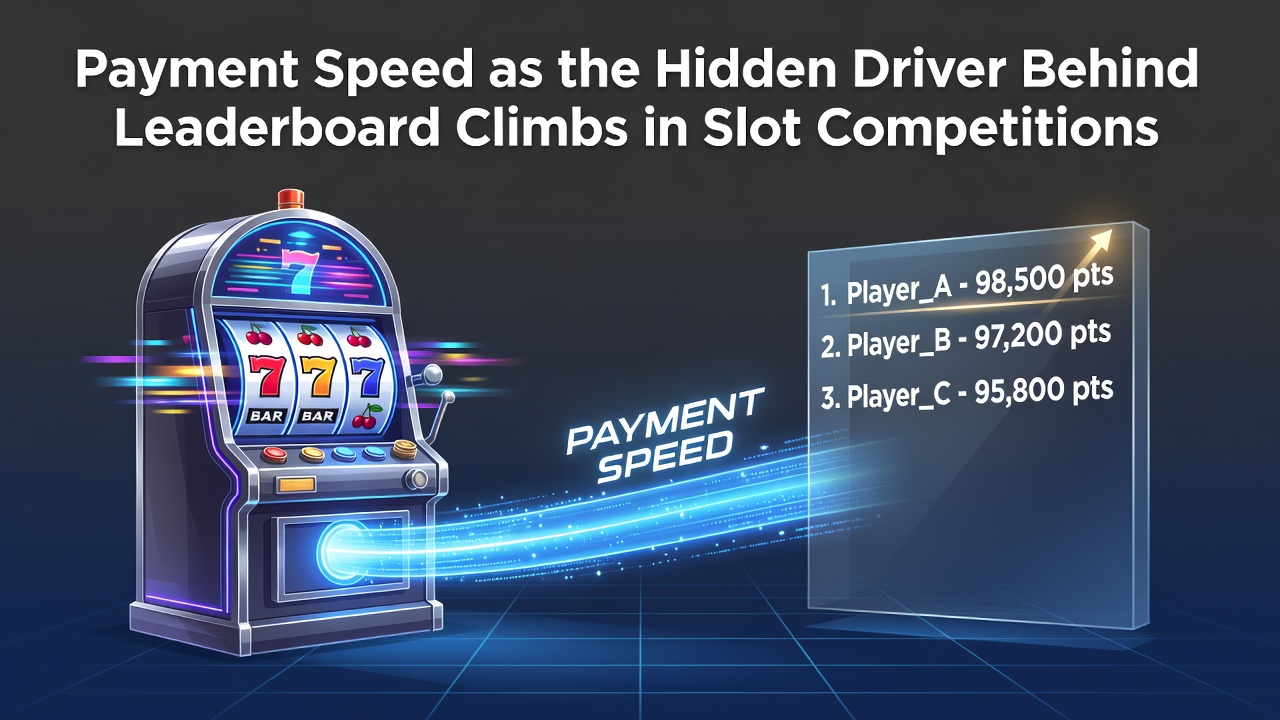
Payment processing times have emerged as a measurable factor in how competitors advance through slot tournament leaderboards, according to industry analyses and operator reports. Players who complete deposits within seconds rather than minutes gain additional spins during limited-time events, and this edge compounds across multiple rounds. Data from various gaming platforms shows that average session lengths increase when funding occurs without delays, allowing participants to maintain momentum while others wait for approvals.
Mechanics Behind Transaction Velocity in Tournaments
Slot competitions often run on fixed clocks, with rankings determined by total points accumulated before the cutoff, and observers note that instant deposit options reduce the gap between intent and action. When a player decides to add funds mid-round, systems that confirm transfers in under ten seconds permit immediate continuation, whereas slower gateways create pauses that accumulate across hundreds of participants. Research from academic studies on digital gaming behavior indicates that these micro-delays correlate with lower final scores in high-frequency formats, particularly those featuring progressive multipliers or bonus rounds triggered by volume.
Operators integrate payment gateways that support multiple currencies and methods, yet performance varies by provider, and figures reveal that platforms using optimized APIs report higher retention during leaderboard periods. Those who have examined transaction logs find that successful climbers frequently combine rapid deposits with withdrawal previews, which helps manage bankrolls without interrupting play sequences. This pattern holds across different regions, where regulatory frameworks emphasize player fund security alongside operational efficiency.
Evidence From Platform Data and Regional Reports
Analyses conducted by the European Gaming and Betting Association highlight how faster settlement systems align with elevated activity metrics in competitive formats, and similar patterns appear in reports from Australian regulatory bodies tracking digital wagering trends. In September 2026, several operators documented spikes in leaderboard entries coinciding with upgrades to instant verification protocols, while participation rates in slower environments remained stable. University-led examinations of player logs further demonstrate that reduced latency supports sustained engagement, as competitors avoid the friction that leads to session abandonment.
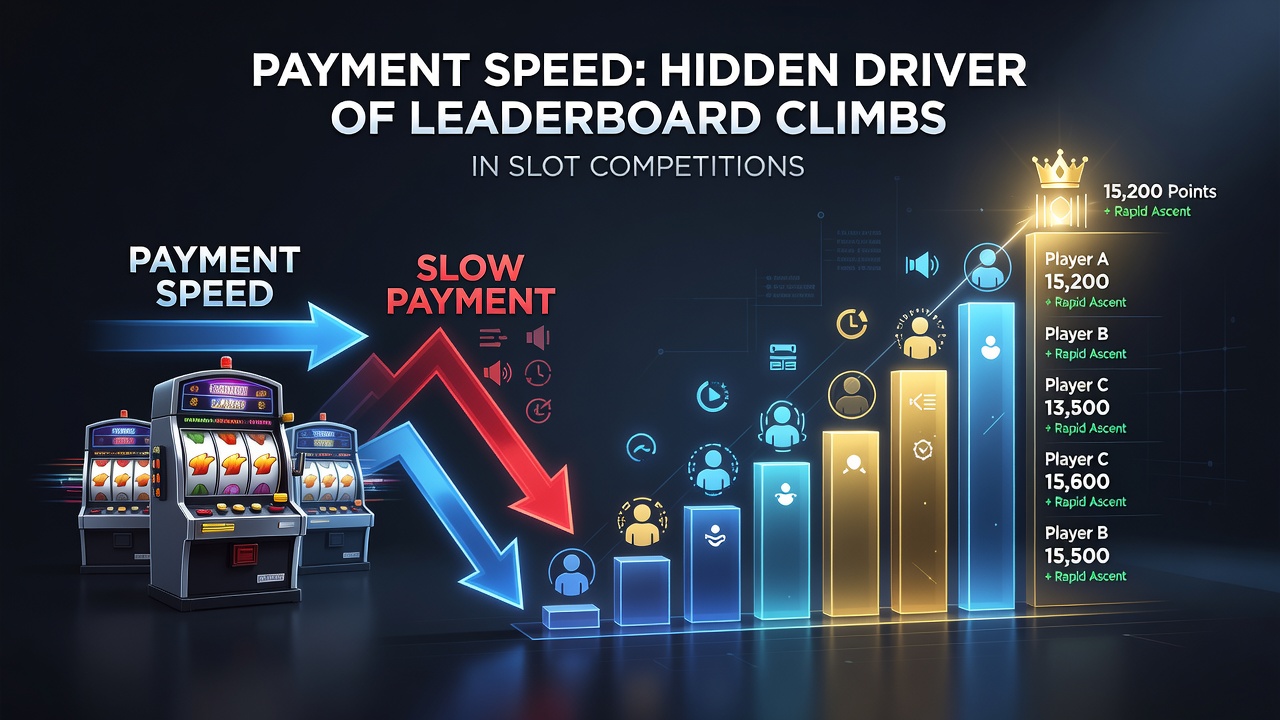
One documented case involved a North American platform that introduced same-second crypto processing, after which average leaderboard climb rates rose noticeably compared to prior periods using traditional rails. Those monitoring these shifts point to the ability to respond to leaderboard notifications without leaving the interface, which preserves focus and capitalizes on hot streaks. Industry organizations such as the Canadian Gaming Association have compiled data showing parallel outcomes in markets where payment speed improvements were rolled out systematically.
Player Strategies and Operational Adjustments
Competitors adapt by selecting operators with verified fast-track options, and data indicates that pre-approved accounts experience fewer interruptions during critical phases of events. Tournament organizers, in turn, adjust prize structures and entry mechanics to accommodate varying payment landscapes, ensuring that speed advantages do not overshadow skill-based elements. Observers note that integration of real-time balance updates allows participants to track progress without exiting the game window, which maintains immersion across extended sessions.
Additional factors include the synchronization of loyalty rewards with payment confirmations, and reports show that seamless crediting encourages repeated entries within the same competition window. This creates a feedback loop where quick transactions support both individual positioning and overall event liquidity. Regional variations persist, with some jurisdictions mandating specific authentication steps that extend processing windows, yet operators continue to refine backend systems to minimize impact on competitive play.
Conclusion
Payment speed functions as a structural component within slot competition ecosystems, influencing how points accumulate and rankings shift over time. Platform metrics, regulatory summaries from multiple continents, and operational case studies collectively illustrate its role alongside traditional variables such as game selection and timing. As systems evolve, the connection between transaction efficiency and leaderboard outcomes continues to receive attention from analysts and operators alike, shaping future platform designs without altering core competitive rules.